 Soho Connect Research Desk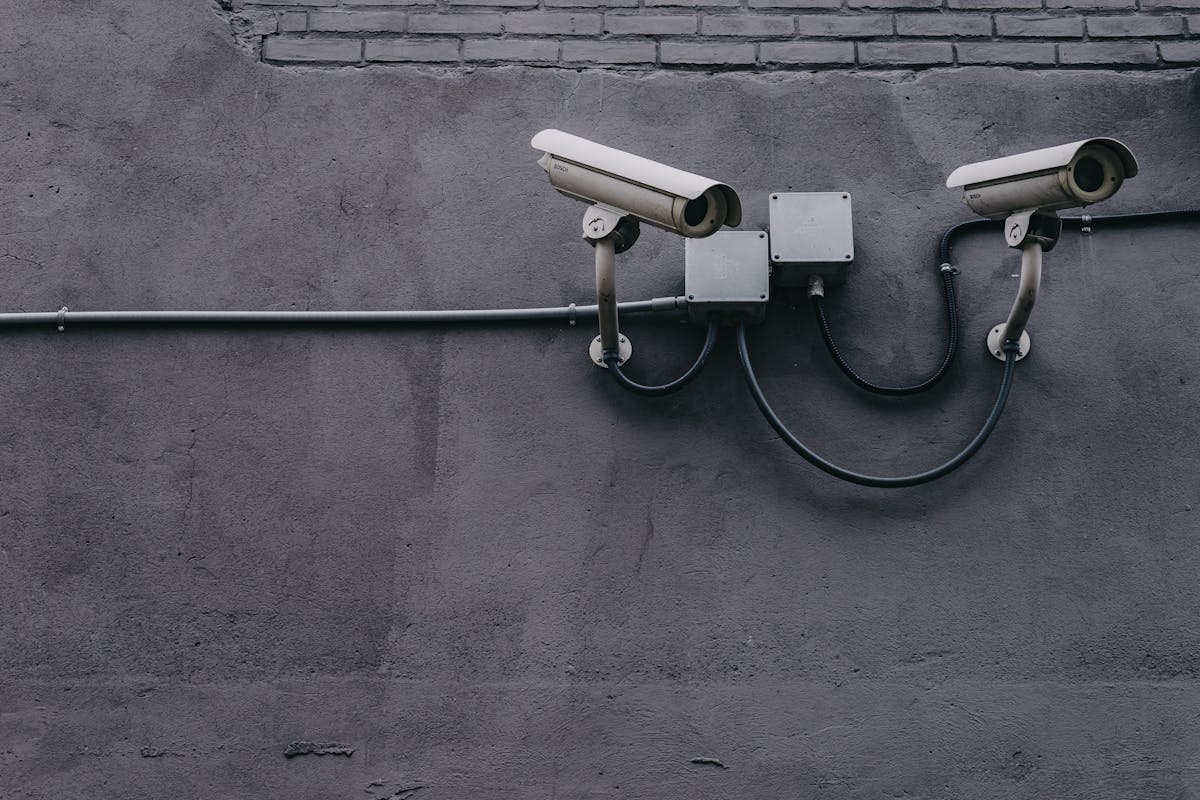
Security is a top priority for businesses across Zimbabwe. Whether you're running a retail shop in Harare, a warehouse in Bulawayo, or a manufacturing facility in Mutare, a robust CCTV system is essential for protecting your assets, employees, and customers.
This comprehensive guide covers everything you need to know about CCTV systems in Zimbabwe, from choosing the right cameras to installation best practices and ongoing maintenance.
Understanding CCTV Camera Types
1. Dome Cameras
Perfect for indoor environments like shops, offices, and restaurants. Dome cameras are discreet and difficult to tamper with, making them ideal for high-traffic areas.
Best for: Retail stores, office reception areas, restaurants
Price range: USD $40 - $150 per camera
2. Bullet Cameras
These highly visible cameras act as a strong deterrent. They're weather-resistant and excellent for outdoor monitoring of perimeters, parking lots, and building entrances.
Best for: Warehouses, parking areas, building perimeters
Price range: USD $50 - $200 per camera
3. PTZ (Pan-Tilt-Zoom) Cameras
Advanced cameras that can rotate, tilt, and zoom to cover large areas. Ideal for monitoring expansive properties or areas requiring detailed surveillance.
Best for: Large properties, industrial sites, shopping centers
Price range: USD $300 - $1,200 per camera
4. IP Cameras vs Analog Cameras
IP Cameras: Higher resolution, network-connected, remote viewing capabilities. More expensive but future-proof.
Analog Cameras: Traditional CCTV, lower cost, easier to install. Sufficient for basic security needs.
Solar-Powered CCTV Solutions for Zimbabwe
Zimbabwe's frequent power outages make solar-powered CCTV systems particularly valuable. These systems combine:
- Solar panels (typically 50W-100W per camera)
- Battery backup (12V deep-cycle batteries)
- Charge controllers
- CCTV cameras with low power consumption
Benefits of Solar CCTV:
- 24/7 operation regardless of ZESA load-shedding
- Lower running costs - no electricity bills
- Remote location monitoring - perfect for farms, construction sites
- Eco-friendly - reduces carbon footprint
Investment: Complete 4-camera solar CCTV kit: USD $800 - $1,500
Camera Resolution Guide
| Resolution | Quality | Best Use Case | Storage Requirements |
|---|---|---|---|
| 720p (1MP) | Basic | Low-traffic areas | 60GB/month per camera |
| 1080p (2MP) | Good | General business use | 120GB/month per camera |
| 4MP | High | Detailed identification | 240GB/month per camera |
| 4K (8MP) | Ultra HD | Critical areas, facial recognition | 480GB/month per camera |
Recommendation for Zimbabwe businesses: 1080p (2MP) offers the best balance of image quality and storage costs.
Essential Features to Look For
Night Vision
Infrared (IR) capability is crucial. Look for cameras with at least 20-30 meters night vision range.
Weather Resistance
For outdoor cameras, ensure IP66 or IP67 rating to withstand Harare's rainy season and Bulawayo's dust.
Motion Detection
Reduces storage needs by only recording when movement is detected. Can send alerts to your phone.
Remote Viewing
Access your cameras from anywhere using a smartphone app. Essential for business owners who travel.
Local Storage vs Cloud
- Local DVR/NVR: One-time cost, no monthly fees, but requires physical security
- Cloud storage: Monthly subscription, accessible anywhere, automatic backups
- Hybrid approach: Local storage with cloud backup for critical footage
Installation Best Practices
1. Strategic Camera Placement
- Entry/exit points: Front door, back door, loading bays
- Cash handling areas: Tills, safes, counting rooms
- Valuable inventory: Stock rooms, display areas
- Blind spots: Corners, stairwells, parking areas
- Perimeter: Fence lines, gates, building exterior
2. Proper Mounting Height
- Indoor cameras: 2.5-3 meters high
- Outdoor cameras: 3-4 meters high (out of reach but clear view)
3. Lighting Considerations
- Avoid pointing cameras directly at bright lights
- Ensure adequate lighting for color recording
- Use IR cameras for completely dark areas
4. Network Infrastructure
- Use quality Cat6 ethernet cables for IP cameras
- Ensure stable power supply (UPS recommended)
- Secure network with strong passwords and VPN access
Legal and Compliance Considerations in Zimbabwe
Privacy Laws
- Inform employees and visitors that CCTV is in operation
- Display clear signage at entrances
- Comply with Zimbabwe's Data Protection Act
- Only record public and work areas, not private spaces (bathrooms, changing rooms)
Data Retention
- Retail businesses: Minimum 30 days recommended
- Banks and high-security: 90 days or more
- Regular backup of critical footage
Evidence Quality
- Ensure timestamp accuracy on all recordings
- Maintain chain of custody for footage used in legal proceedings
- Store footage securely with access logs
Storage Requirements and Costs
Storage Calculator Example:
8 cameras at 1080p, recording 24/7 for 30 days:
- Storage needed: ~960GB (approximately 1TB)
- 2TB HDD cost: USD $60-80
- 4TB HDD cost: USD $100-140
Pro tip: Use motion detection recording to reduce storage by 60-80%
Ongoing Maintenance
Monthly Tasks
- Clean camera lenses and housings
- Check all cameras are recording properly
- Verify remote access is functioning
- Test motion detection alerts
Quarterly Tasks
- Review and adjust camera angles if needed
- Check cable connections for wear
- Update DVR/NVR firmware
- Test backup and restore procedures
Annual Tasks
- Professional system health check
- Replace aging batteries in solar systems
- Upgrade storage if running low
- Review and update security protocols
CCTV System Costs in Zimbabwe (2026)
Basic System (4 cameras, analog)
- 4x 1080p dome/bullet cameras
- 4-channel DVR with 1TB storage
- Cables and power supplies
- Basic installation
Total: USD $350 - $500
Mid-Range System (8 cameras, IP)
- 8x 1080p IP cameras (mix of dome/bullet)
- 8-channel NVR with 2TB storage
- Network switches and cables
- Professional installation
Total: USD $900 - $1,400
Premium System (16 cameras, solar-powered)
- 16x 2MP/4MP IP cameras
- 16-channel NVR with 4TB storage
- Solar panels and battery backup
- Remote monitoring setup
- Professional installation and training
Total: USD $2,500 - $4,000
Enterprise System (Custom)
- 32+ cameras with advanced analytics
- Redundant storage and cloud backup
- Integration with access control
- Professional monitoring service
Total: USD $6,000+
Conclusion
Investing in a quality CCTV system is one of the most important security decisions for your Zimbabwe business. Whether you choose a basic 4-camera setup or a comprehensive enterprise system, ensure you work with reputable suppliers, plan for power backup solutions, and maintain your system regularly.
Key Takeaways:
- Solar-powered systems are ideal for Zimbabwe's power situation
- 1080p resolution offers the best value for most businesses
- Professional installation ensures optimal performance
- Regular maintenance extends system lifespan
- Legal compliance protects your business
Ready to secure your business? Contact Soho Connect for a free site assessment and customized CCTV solution tailored to your specific needs.
Frequently Asked Questions
Which CCTV cameras are best for Zimbabwe's power cuts?
Solar-powered CCTV systems with LiFePO4 battery backup are the best choice to ensure 24/7 monitoring during load shedding.
How much storage do I need for 4 cameras?
For 4 cameras recording at 1080p, a 1TB hard drive will typically store about 2-3 weeks of footage with motion detection enabled.
Is it legal to record audio on CCTV in Zimbabwe?
Generally, video surveillance is permitted in public/work areas, but recording audio often requires specific consent to comply with privacy laws.